Only what is needed
Agree the device signal and its purpose.
 zeta nest™Complimentary assessment
CYBERSECURITY / GOVERNANCE / DATA PROTECTION
An intelligent home contains the details of a life. Who can enter. When rooms are used. What happens at night. Those details deserve deliberate controls.
TRUST IS A SET OF DECISIONS
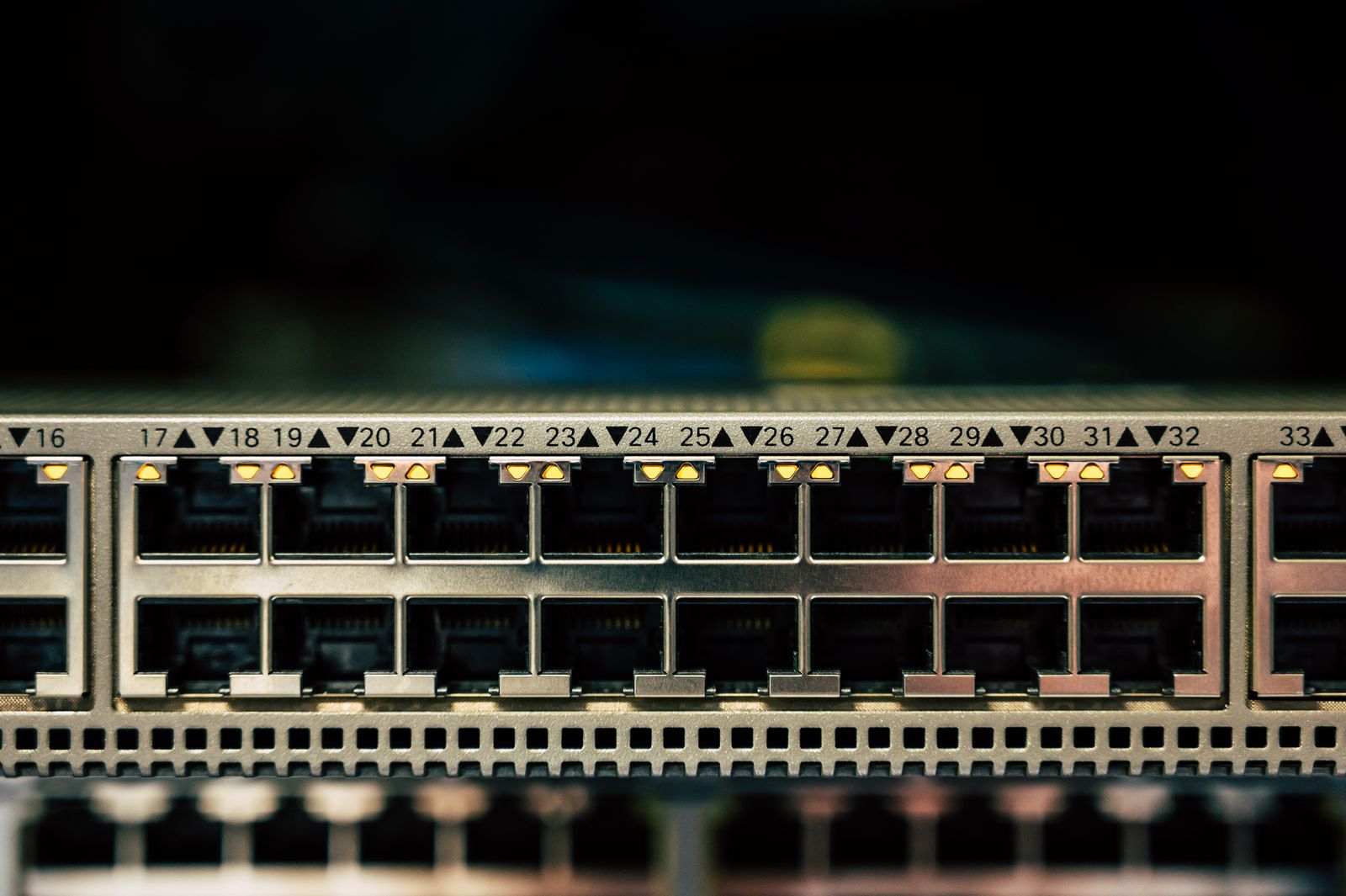
Before a signal becomes an automation, establish its purpose, destination and permitted use.
Agree the device signal and its purpose.
Identify local processing, cloud services and who can access each.
Agree retention, deletion and responsibility.
THE SECURITY CONVERSATION STARTS AT DESIGN
Use these six areas as the proposed security brief for your assessment. Final controls, product support and verification evidence are agreed for each installation.
A visitor’s stay should not become permanent access.
Specify named accounts, least privilege roles, time limited guest permissions and prompt access removal. Require multi factor authentication for administrative and remote access where supported.
Keep a device problem from spreading through the home.
Review network segmentation, device inventory, unique credentials and restricted remote administration. Check vendor support and update policies before selecting equipment.
Collect the information a routine needs, with a clear purpose.
Map which data stays on devices and which reaches a cloud service. Agree camera coverage, access, retention, deletion and any location sharing before enabling them.
Get useful assistance while keeping sensitive decisions explicit.
Define allowed signals and actions, confidence thresholds, confirmation for sensitive changes and an easy pause. Review exceptions and preserve a practical manual fallback.
Know who changed a permission or routine, and why.
Specify available activity logs, who can review them, the retention period and responsibility for configuration changes. Verify what each selected product can actually record.
Know what to do when equipment, people or plans change.
Agree update ownership, recovery steps, support access, incident contacts and decommissioning. Test relevant offline behaviour and recovery with the chosen equipment.
CONTROL SHOULD BE VISIBLE
A lock, a camera and a room sensor handle different parts of your life. Their permissions should reflect that difference.
Named access, expiry and recovery.
Clear approval for sensitive actions.
Defined use, access and retention.
STANDARDS / ASK FOR THE EVIDENCE
These recognised frameworks provide a basis for the design review. Their inclusion does not establish Zeta Nest certification, an audit result or compliance of a particular installation.
A structure for identifying risks, choosing protections, detecting issues and planning response and recovery.
A framework for governing, mapping, measuring and managing AI risks, including oversight and evaluation.
A reference for managing information security risks and responsibilities. Certification requires an independently assessed scope.
Use product security requirements to question credentials, updates, exposure and the handling of personal data.
The agreed scope should identify the devices, data flows, permissions, test results, remaining risks and support responsibilities. Legal requirements, including applicable local data protection rules, need a project specific assessment.
THIS WEBSITE HAS ITS OWN BOUNDARIES
The website assistant cannot operate locks, cameras or devices. Assessment submissions use server side validation and anti abuse verification. Read how enquiry details and chat messages are handled before sharing them.
Bring us the room that never feels right. The evening checklist. The five remotes. We’ll explore what could change, what can stay, and where to begin.
YOUR FIRST STEP / COMPLIMENTARYStart my complimentary assessmentA conversation about your home. No purchase commitment.